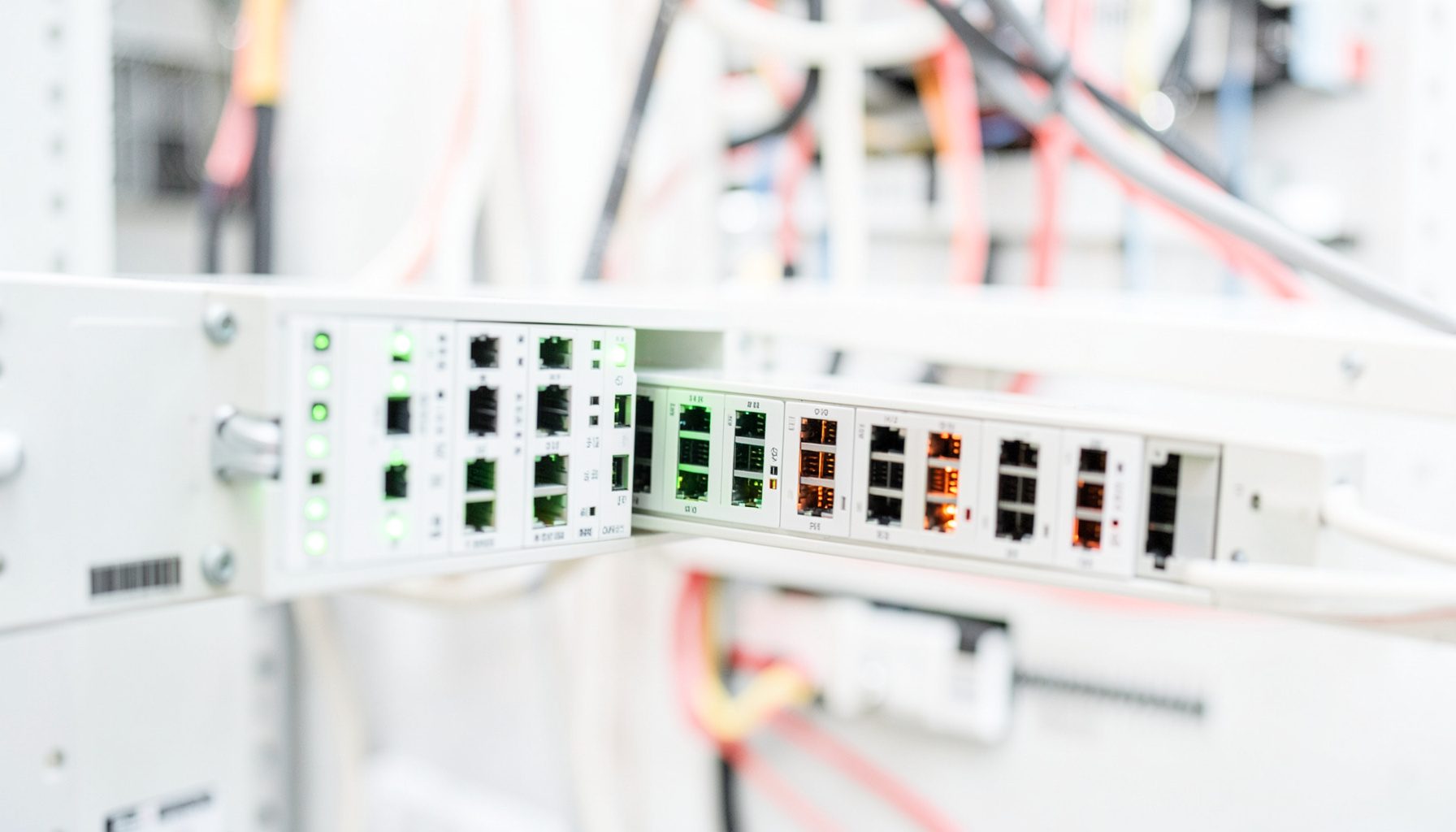
Multi-Gigabit Network Switches
Reviews and information on high-speed network switches for modern connectivity needs — helping home users and small businesses get the most from their wired networks.
Multi-gigabit network switches have become an essential component for homes and small businesses that demand faster, more reliable wired connections. As internet speeds continue to climb and more devices compete for bandwidth, a standard gigabit switch may no longer be sufficient. Modern multi-gigabit switches support higher data transfer rates, allowing multiple users to stream, game, transfer large files, and run cloud-based applications simultaneously without bottlenecks. These switches are designed to work seamlessly with existing cabling, making upgrades straightforward. Whether you are building a home office or expanding a small business network, investing in a high-speed switch ensures that your wired infrastructure keeps pace with growing demands and delivers consistent performance across all connected devices.
For small and medium businesses, network reliability directly impacts productivity and daily operations. A quality network switch provides the backbone for connecting computers, printers, storage devices, and other critical equipment. Managed switches offer additional features such as traffic prioritization, virtual LAN segmentation, and remote monitoring, giving administrators greater control over their network environment. These capabilities help businesses optimize performance for bandwidth-intensive applications like video conferencing, large file transfers, and backup operations. Even for home users, a well-chosen switch can simplify network management and improve the overall experience. With the right switch, you can create a stable, secure foundation that supports everything from casual browsing to demanding professional workloads.
Network attached storage devices rely heavily on the performance of the underlying network infrastructure. A high-speed switch ensures that data transfers between NAS units and connected computers happen quickly and efficiently, which is especially important for businesses handling large media files, backups, or collaborative projects. When multiple users access the same NAS simultaneously, a capable switch prevents slowdowns and maintains smooth operation. Pairing a robust NAS with a multi-gigabit switch unlocks the full potential of your storage solution, reducing wait times and improving workflow efficiency. This combination is particularly valuable for creative professionals, growing businesses, and tech-savvy home users who depend on fast, reliable access to their centralized data.
Wireless technology continues to evolve, but a wired network remains the gold standard for speed, stability, and security. Network switches provide dedicated connections that eliminate the interference and signal degradation common with Wi-Fi, making them ideal for stationary devices like desktop computers, gaming consoles, smart TVs, and security cameras. By offloading high-bandwidth traffic to a wired switch, you free up wireless capacity for mobile devices that truly benefit from Wi-Fi. Many modern switches also support power over Ethernet, allowing devices like access points and cameras to receive both data and power through a single cable. This simplifies installation and reduces clutter. For anyone serious about network performance, combining a robust switch with a strong wireless setup creates the best of both worlds.
Netgear M4200 GSM4210P: Multi-Gigabit Switch with 2.5G/5G Ports
The Netgear M4200 GSM4210P is a managed network switch designed to bridge the gap between standard Gigabit and 10-Gigabit infrastructure. Its standout feature is support for 2.5G and 5G multi-gigabit speeds on select ports, making it well-suited for modern Wi‑Fi 6 access points, high-performance NAS units, and workstations that demand more than 1 Gbps but don't yet require a full 10G upgrade.
This switch is part of Netgear's M4200 series, aimed at small-to-medium businesses and advanced home networks where bandwidth-intensive applications — such as 4K video editing, large file transfers, and virtualization — are becoming the norm.
Key Highlights
- Multi-Gigabit Ports: Select ports auto-negotiate at 100M/1G/2.5G/5G speeds, allowing existing Cat 5e or Cat 6 cabling to carry higher throughput without rewiring.
- PoE+ Support: The GSM4210P variant delivers Power over Ethernet (up to 30W per port), simplifying deployment of IP cameras, VoIP phones, and access points.
- Managed Layer 2+ / Lite Layer 3: Includes VLANs, link aggregation, QoS, and static routing for network segmentation and traffic prioritization.
- Quiet Operation: Designed with temperature-controlled fans suitable for office or home-office environments.
| Feature | Detail |
|---|---|
| Model | Netgear M4200 GSM4210P |
| Port Configuration | 8× 2.5G/5G PoE+ ports, 2× 10G SFP+ uplinks |
| Switching Capacity | Up to 120 Gbps (non-blocking) |
| Management | Web GUI, CLI, SNMP, Netgear Insight (cloud optional) |
| Target Use | Home labs, SMB networks, AV-over-IP deployments |
Why Multi-Gigabit?
Traditional Gigabit switches cap wired throughput at 1 Gbps. Multi-gigabit switches unlock 2.5× and 5× that speed over existing copper cabling, making them a practical upgrade path for homes and small businesses that need more bandwidth without the cost and complexity of a full 10-Gigabit overhaul.
Common use cases include:
- Wi‑Fi 6 / 6E access points with 2.5G uplinks
- NAS devices serving multiple users simultaneously
- Video production workstations handling large raw files
- Gaming and streaming setups with low-latency requirements
Stay Updated on Networking Hardware
Check the homepage for monthly roundups of new networking products for homes and small businesses, plus in-depth reviews of switches, NAS units, and IP telephony gear.
Browse Latest Posts